Vellum: The Romantic Middle Ground
Vellum is the easiest “not-paper” option to work into almost any wedding style, because it’s usually layered withtraditional cardstock rather than replacing it entirely — as a wrap, a belly band, or a translucent overlay printed with a monogram or botanical line art.
It suits garden weddings, destination weddings, and anything with a soft, romantic color palette especially well, since the translucency lets color and texture show through in a way solid cardstock can’t.
Good pairing from our catalog: our watercolor and botanical-led designs would work beautifully layered under a vellum overlay — take a look at the Water Color Wedding Invitations Web or the Paint Paper Flower Wedding Invitation for that soft, painterly base that vellum enhances rather than competes with.
Digital & Animated Invitations: The Fully “Not-Paper” Route
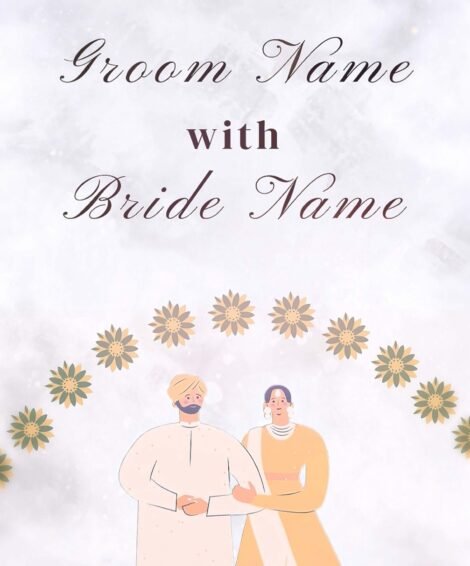
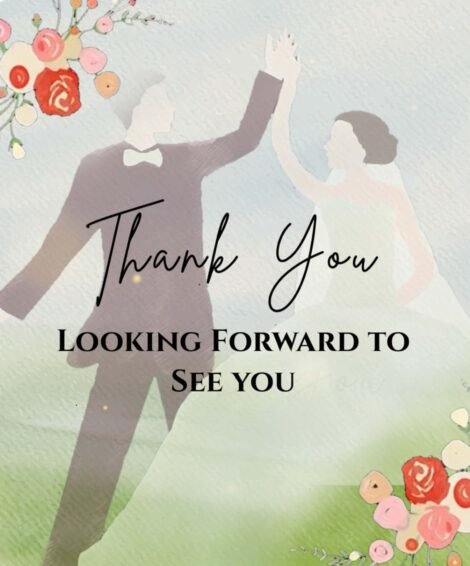
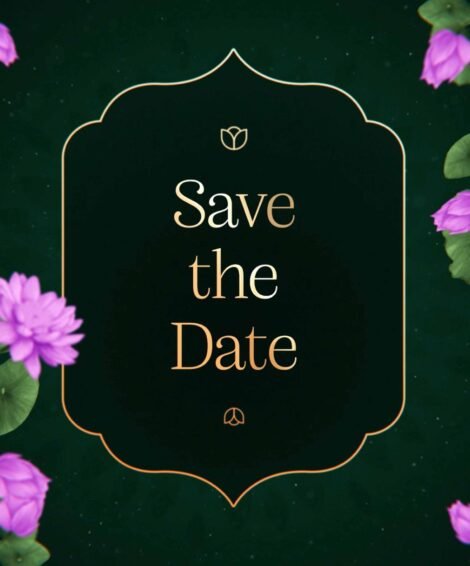
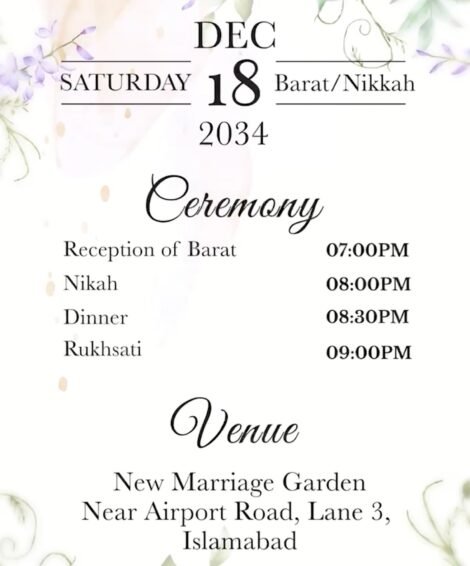
If you want to skip print entirely, animated and web-based invitations have come a long way from a basic PDF attachment. Done well, they can include motion graphics, music, and interactive RSVP details — while giving couples the flexibility to update logistics right up until the big day.
This is where digital invitations genuinely outperform print: for destination weddings with guests scattered across time zones, for couples on a compressed planning timeline, or for anyone who wants their invitation to feel like an experience rather than a static card.
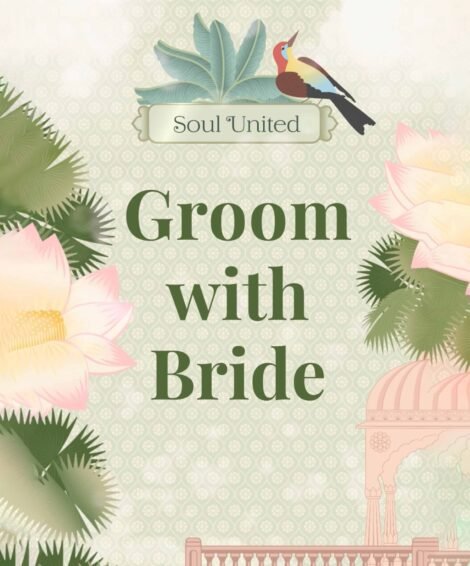
From our catalog: our Animated Dream Wedding Invitation and Soft Flower Wedding Animation are built exactly for this — full motion, no printing required, and easy to share directly with guests.
So, Which One Is Right for You?
A quick way to decide:
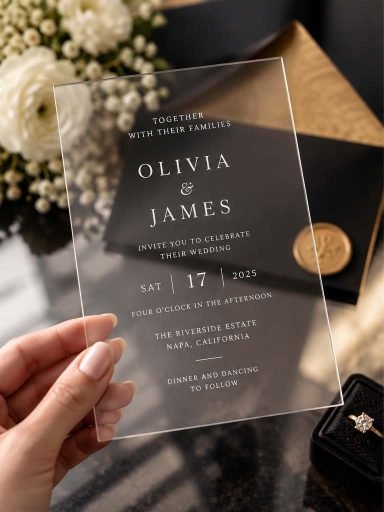
- Choose acrylic if your wedding style is modern, minimal, or you want a “wow” unboxing moment guests will photograph.
- Choose vellum if you love softness and romance but still want something tactile and printed.
- Choose digital/animated if your priority is speed, flexibility, or reaching guests across multiple locations.
- Stick with traditional cardstock if your wedding leans classic, formal, or heirloom-style — there’s a reason it’s stayed the default for so long, and nothing beats it for timeless photos in an album.
None of these are mutually exclusive, either. Many couples now use a printed save-the-date, a vellum-wrapped formal invitation, and a digital wedding website for logistics — getting the best of both tactile and practical.
Final Thought
“Not-paper” invitations aren’t about abandoning tradition — they’re another tool for making sure your invitation actually reflects your wedding before a single guest arrives at the venue. Whether that means a sheet of frosted acrylic, a wisp of vellum, or a fully animated digital suite, the right choice comes down to the mood you want to set on day one.
Browse our full range of wedding invitation styles — including the watercolor, floral, and animated designs featured above — in our invitation catalog, or reach out if you’d like to talk through a custom acrylic or vellum order for your wedding.