
If you’ve just gotten engaged and started planning, you’ve probably already heard both terms thrown around — “send your save-the-dates early” and “don’t forget your formal invitations” — often in the same breath, as if they’re interchangeable. They’re not. And mixing up their purpose, timing, or content is one of the most common early planning mistakes couples make.
Here’s the good news: once you understand what each one is actually for, the whole process gets a lot simpler. Let’s break it down.
The Short Answer
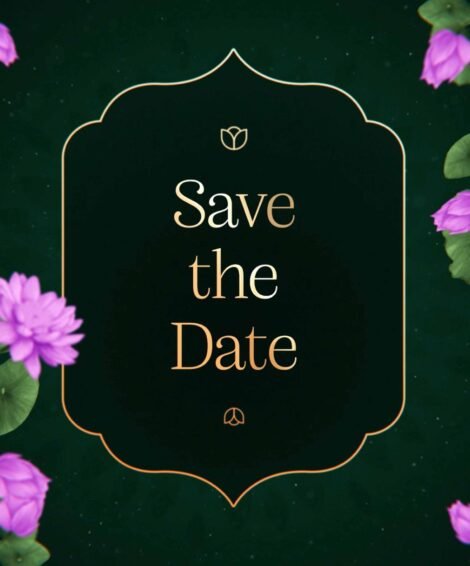
A save-the-date is a heads-up. It tells guests when and roughly where your wedding will happen, so they can start planning around it — booking flights, requesting time off, arranging childcare — long before the finer details are locked in.
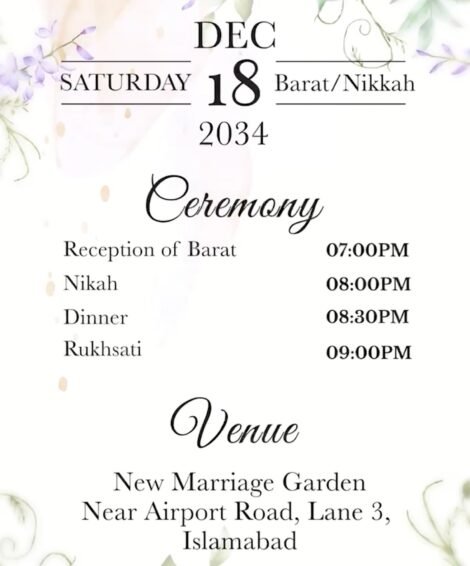
A wedding invitation is the formal ask. It’s sent once your planning is finalized, and it tells guests everything they need to actually attend: exact ceremony and reception details, dress code, RSVP instructions, and any additional logistics like accommodation or registry information.
Think of it this way: the save-the-date secures the date on someone’s calendar. The invitation is what gets them through the door.
What a Save-the-Date Should Include
Save-the-dates are intentionally minimal. Overloading them with detail defeats the purpose — they’re meant to be quick and easy to absorb. A good save-the-date includes:
- Both of your names
- The wedding date
- The city or general location (full address isn’t necessary yet)
- A line letting guests know a formal invitation will follow
- Your wedding website, if you have one, for guests who want early details
That’s it. No RSVP required at this stage, no meal choices, no dress code — those all come later.
What a Wedding Invitation Should Include
By the time your formal invitation goes out, your planning should be essentially locked in. This is the document guests will actually reference when making arrival plans, so it needs to be complete and accurate. A full invitation typically includes:
- Both of your names and the couple hosting (if different)
- Ceremony date, time, and full venue address
- Reception details, if held separately
- Dress code
- RSVP method and deadline
- Additional info cards for things like accommodation blocks, transportation, or a wedding website
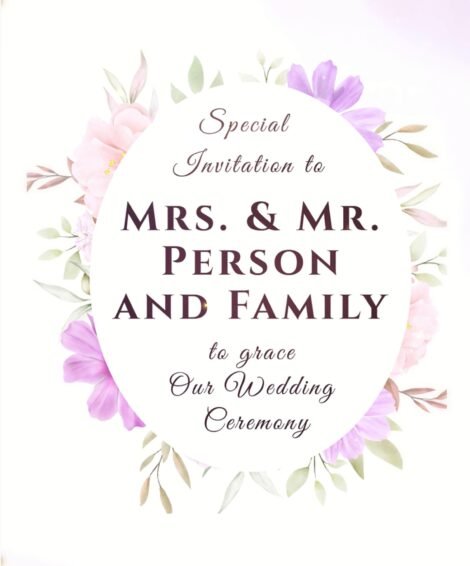
This is also where your invitation suite really gets to reflect your wedding’s personality — through color, imagery, typography, and style. It’s the first “real” impression many guests will have of your wedding’s tone, whether that’s romantic and floral, bold and modern, or rich with cultural tradition.
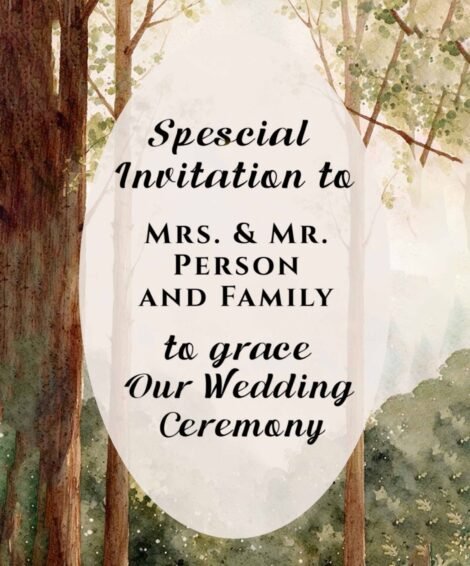
For example, if your wedding has a soft, painterly feel, a design like our Water Color Wedding Invitations Web or Paint Paper Flower Wedding Invitation sets that tone immediately. If you’re planning something with more graphic, contemporary energy, the Paradise Graphics Wedding Invitation or Unique Frames Wedding Invitationleans into that. And for couples honoring cultural traditions, our Lotus Flower Indian Wedding Invitation and Indian Style Golden Wedding Invitation bring in rich color and motif detail built specifically for that style of celebration.
Timeline: When to Send Each One
Timing is where most of the confusion actually happens, and it depends heavily on whether you’re planning a local wedding or a destination one.
Save-the-Dates
- Standard weddings: Send 6–8 months before the wedding date.
- Destination weddings: Send 8–12 months before, since guests need extra time to arrange travel, time off work, and accommodation.
- Holiday-weekend weddings: Lean toward the earlier end of your range, since guests will be competing with their own holiday travel plans.
Wedding Invitations
- Standard weddings: Send 6–8 weeks before the wedding date.
- Destination weddings: Send 3 months before, giving guests enough runway to finalize logistics they may have only tentatively planned after the save-the-date.
- RSVP deadline: Set this for roughly 3–4 weeks before the wedding, giving you enough buffer to finalize headcounts for catering and seating.
A simple way to remember it: save-the-dates go out in months, invitations go out in weeks.
Do You Always Need a Save-the-Date?
Not necessarily. Save-the-dates are most valuable when:
- You’re planning a destination wedding
- Your wedding falls on a holiday weekend or during a popular travel season
- A significant portion of your guest list will need to travel from out of town
- Your planning timeline is on the longer side (12+ months out)
If you’re planning a smaller, local wedding on a shorter timeline, you can often skip the save-the-date entirely and move straight to invitations sent with a bit more lead time — there’s no strict rule requiring both.
Digital Options for Both
One advantage of going digital for either (or both) is speed and flexibility — something increasingly popular for couples juggling tight planning windows or multi-location guest lists. A digital save-the-date can go out the same day your date is confirmed, with zero printing or shipping lag, and can be updated instantly if a detail changes.
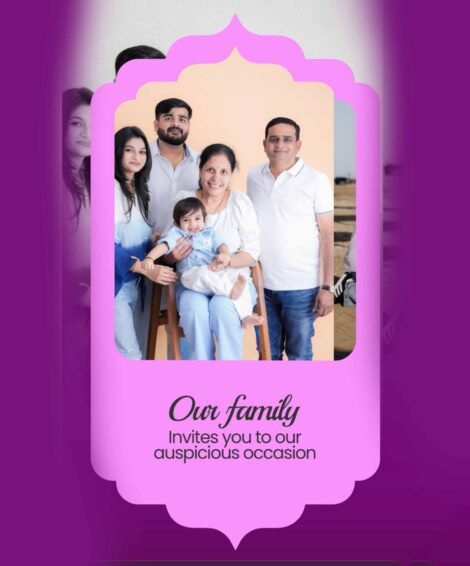
Our Animated Dream Wedding Invitation is a good example of how a digital format can carry more personality than a static card — motion, transitions, and a shareable link that works whether your guest list is scattered across one city or several countries. It’s a strong option for either your save-the-date or your final invitation, depending on how you want to sequence your announcements.
If you’d rather keep a more classic feel while still working with a fully digital, printable-or-shareable file, designs like our Smooth Floral Wedding Invitation or Paint Stroke Transition Wedding Invitation offer that traditional visual warmth in a flexible, digital-first format.
A Few Common Mistakes to Avoid
Sending a save-the-date without confirmed logistics. You don’t need every detail locked in, but you do need a confirmed date and city before you send anything — a save-the-date that later requires a “change of plans” follow-up creates confusion and looks disorganized.
Skipping the save-the-date for a destination wedding. This is the one scenario where skipping it can genuinely hurt attendance — guests need maximum lead time to book flights and take time off work.
Including an RSVP on the save-the-date. This confuses guests about when a response is actually needed and can result in early “no” responses from people who might have said yes with more notice.
Sending invitations too early. Beyond about 10 weeks out, guests may set the invitation aside and forget key details by the time the wedding approaches. Stick to the 6–8 week window for the best response rate.
How the Wording Differs
Beyond just content, the tone of wording shifts between the two as well. Save-the-date wording tends to be short, casual, and often playful — phrases like “Save the date,” “Mark your calendars,” or “We’re getting married!” followed by the date and city are all you really need. There’s no formal etiquette rulebook here the way there is for invitations; couples have a lot of room to let their personalities show.
Wedding invitation wording, on the other hand, usually follows a more established structure, especially if your wedding has any formal or traditional elements: who is hosting, both names in full, the request to attend (“request the pleasure of your company” or “invite you to celebrate”), the date and time written out, and the venue. Even couples who want a relaxed, modern invitation often keep this underlying structure and simply adjust the phrasing to match their voice — swapping formal language for something warmer while keeping all the necessary information intact.
Multi-Event Weddings
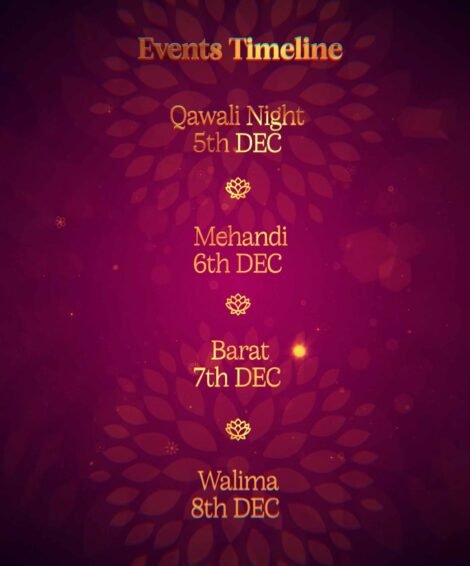
If your wedding includes multiple events — a welcome dinner, a mehndi, a rehearsal dinner, or a post-wedding brunch — keep save-the-dates simple even here; a single line noting “multi-day celebration” is enough to prompt guests to plan extra travel time. The full breakdown of each event, and who’s invited to what, belongs on the invitation suite, often as separate enclosure cards. This comes up often for couples using a design like our Indian Style Golden Wedding Invitation or Lotus Flower Indian Wedding Invitation, where a single elegant save-the-date paired with a fuller multi-event invitation suite keeps things clear without overwhelming guests early on.
Frequently Asked Questions
Can I send a save-the-date without a venue confirmed? Yes — a confirmed date and general location is enough; the venue can be finalized later on the formal invitation.
Is it rude to skip a save-the-date? Not at all, especially for smaller or local weddings with a shorter engagement — just send invitations with a bit more lead time to compensate.
Should evening or second-tier guests get a save-the-date too? Only send one to guests you’re certain will be on the full guest list. If it’s still being finalized, wait and send invitations once it’s locked.
Can both stay visually consistent if I go digital? Yes — choosing one design family for both, like a coordinated save-the-date and invitation pair from the same collection, keeps your wedding’s visual story consistent from announcement to arrival.
Bringing It All Together
The relationship between a save-the-date and an invitation is really a relationship of timing and detail. One holds the date; the other confirms the plan. Getting the sequence right — sending each at the appropriate point in your planning — keeps your guests informed without overwhelming them too early or leaving them scrambling too late.
Whether you’re looking for a save-the-date that matches your invitation suite, or a full invitation design that captures your wedding’s personality from the very first impression, browse our complete collection of wedding invitation designs in the shop to find a style — floral, modern, cultural, or animated — that fits your celebration from announcement to “I do.”